πŸ“§ esmestarksteel@163.com
πŸ“ž +86 18954492649

Article & News

Home  /  News

Latest News & Blog

Stay updated with the latest from Shandong Stark Steel

Stainless Steel: Corrosion-Resistant and Durable Material
πŸ“… Apr-29/2026 πŸ‘ Views (5) News

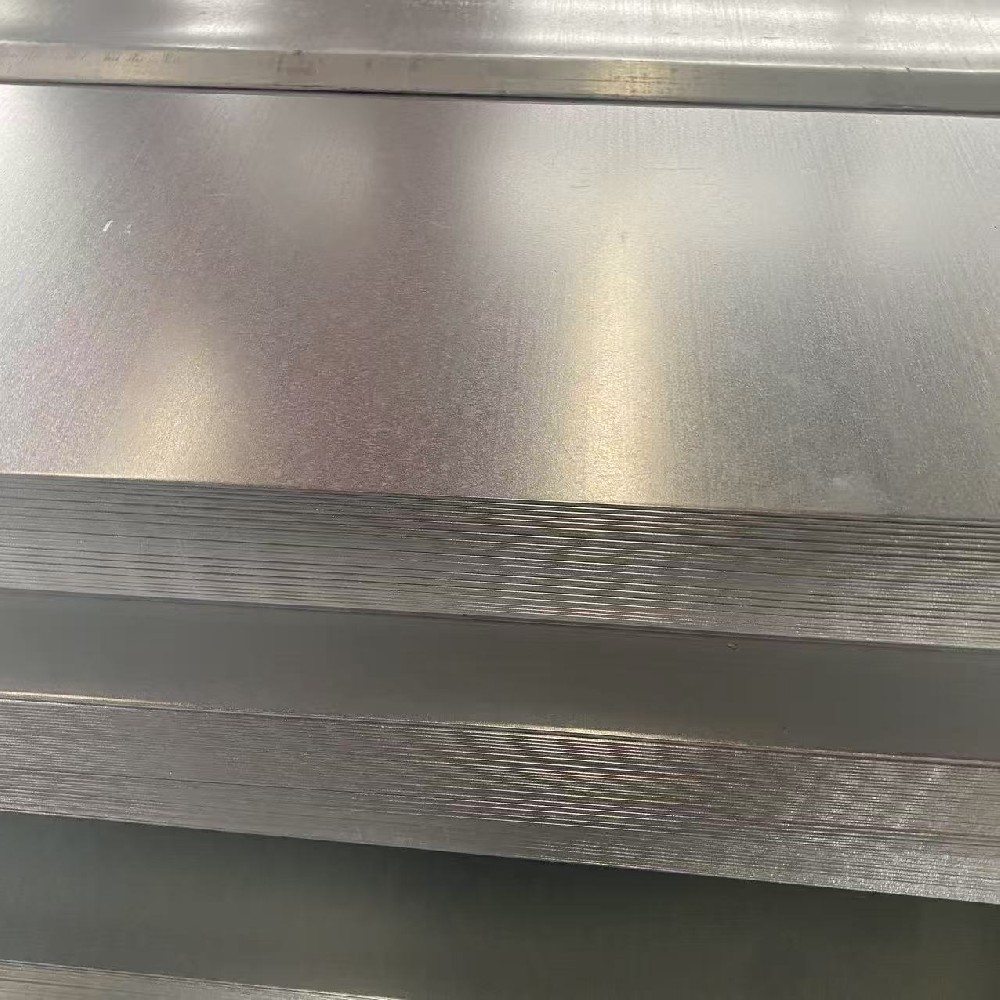
Stainless Steel: Corrosion-Resistant and Durable Material for High-Demand Scenarios

Stainless steel is a high-performance alloy steel primarily composed of iron, chromium (with a minimum content of 10.5%), and nickel, with the addition of elements such as molybdenum in some grades. Its most prominent feature is excellent corrosion resistance, thanks to the dense chromium oxide passive film formed on the surface, which can effectively isolate the metal from the external environment and prevent rust and corrosion...

With its high durability, elegant appearance, and diverse performance, stainless steel has become an indispensable material in high-demand scenarios such as food processing, medical equipment, and marine engineering.

Classification of Stainless Steel

The classification of stainless steel is mainly based on its crystal structure and chemical composition, with the most common grades including 304, 316, and 430 series. The 304 stainless steel is the most widely used grade, containing 18% chromium and 8% nickel, with good corrosion resistance, heat resistance, and ductility. It is suitable for general atmospheric environments, food processing equipment, kitchenware, architectural panels, and daily hardware, balancing performance and cost-effectiveness.

The 316 stainless steel adds molybdenum on the basis of 304, which significantly improves its corrosion resistance to acid, alkali, saltwater, and chemical media, making it ideal for harsh environments such as marine parts, chemical equipment, and medical instruments. The 430 stainless steel is a ferritic stainless steel with good corrosion resistance and heat resistance, but lower toughness than 304 and 316, suitable for decorative materials, household appliances, and automotive trim.

Excellent Properties

In addition to corrosion resistance, stainless steel also has many other excellent properties. It has high strength and hardness, strong impact resistance and torsion resistance, and is not easy to deform or damage during long-term use, making it suitable for load-bearing structures and heavy machinery parts. It also has good high-temperature resistance, maintaining stable performance at high temperatures, and can be used in high-temperature equipment such as boilers and heat exchangers.

The surface of stainless steel is smooth and shiny, with good aesthetic performance, and can be processed into various finishes such as polished, brushed, and matte, meeting the decorative needs of different scenarios. Moreover, stainless steel is 100% recyclable, with no loss of performance during recycling, which is in line with the concept of green and sustainable development.

Wide Applications

The application scope of stainless steel covers many high-demand industries. In the food processing industry, 304 and 316 stainless steel are used to produce food processing equipment, storage tanks, and tableware, as they are non-toxic, odorless, and easy to clean, meeting food-grade safety standards. In the medical industry, 316 stainless steel is used to manufacture medical instruments and surgical tools, as it can resist corrosion from medical disinfectants and body fluids.

In marine engineering, stainless steel is used in offshore platforms, seawater desalination equipment, and ship components due to its outstanding saltwater corrosion resistance. In the architecture and decoration field, stainless steel railings, curtain walls, and hardware fixtures provide both durability and aesthetic appeal. Whether in the kitchen or on the high seas, stainless steel proves its worth as a high-performance material.
Read More β†’
Galvanized Steel: Long-Lasting Corrosion Protection
πŸ“… Apr-29/2026 πŸ‘ Views (8) News

Galvanized Steel: Long-Lasting Corrosion Protection for Industrial Applications

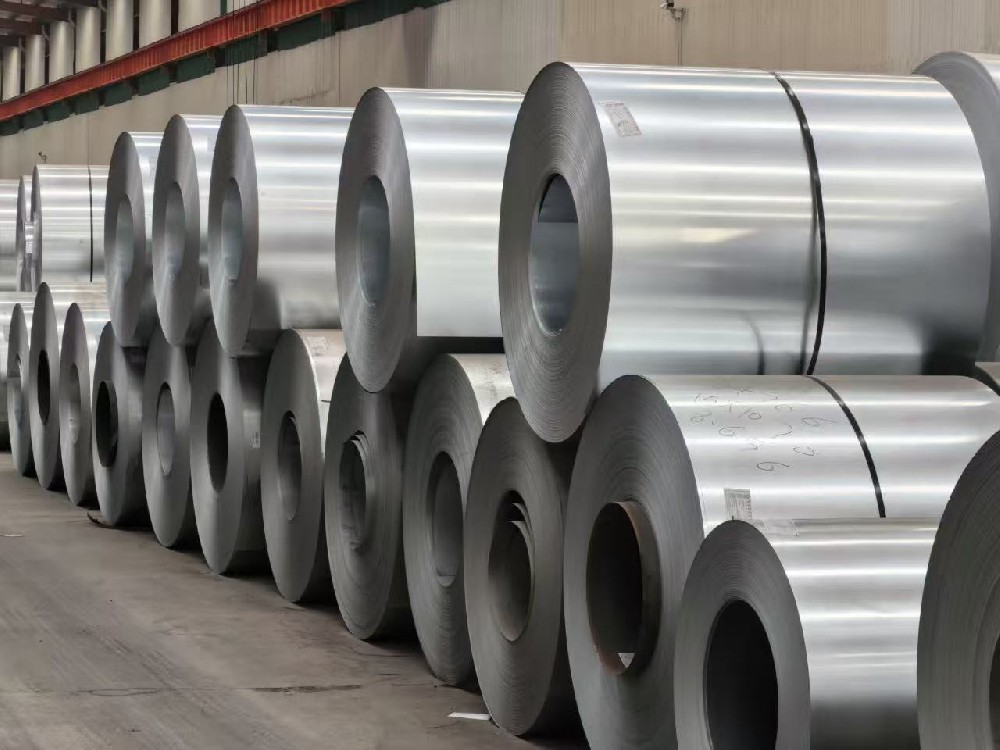
Galvanized steel is a specialized steel product that combines the strength and formability of steel with the excellent corrosion resistance of a zinc coating. By applying a protective zinc layer to the surface of steel, galvanization effectively prevents rust and corrosion, significantly extending the service life of steel products and reducing maintenance costs, making it a preferred material in harsh environments and long-term use scenarios...

The Galvanization Process

The core of galvanized steel's performance lies in the galvanization process, which mainly includes two common methods: hot-dip galvanizing and electro-galvanizing. Hot-dip galvanizing, the most widely used method, involves immersing cleaned steel components into molten zinc (at a temperature of 450-460℃). Through a metallurgical reaction, a dense zinc-iron alloy layer is formed on the steel surface, with a controllable thickness of 60-150ΞΌm.

This layer provides both physical barrier protection and electrochemical protection, making it highly resistant to corrosion. Electro-galvanizing, on the other hand, uses an electrolytic process to deposit a thin zinc layer on the steel surface, which is suitable for scenarios requiring a more precise and uniform coating, such as automotive parts and electronic components.

Six Core Advantages

Galvanized steel offers six core advantages that make it stand out in the market. First, it has super strong corrosion resistance, with a service life of up to 50 years. The zinc layer oxidizes first to form a dense protective film, isolating water and oxygen from eroding the steel; even if the surface is scratched, the zinc continues to protect the steel through sacrificial anode action, preventing rust from spreading.

Second, it features a maintenance-free design, reducing comprehensive costs by up to 60%. Compared with traditional painting maintenance, galvanized steel requires no painting or touch-up during its entire service life, saving labor, materials, and downtime losses. Third, galvanized steel has self-healing properties, providing seamless protection for complex structures. After cutting, welding, or collision, the exposed areas can be automatically repaired by zinc oxide products, making it particularly suitable for corrosion-prone parts such as bolt holes and welds.

Wide-Ranging Applications

Fourth, it has excellent adaptability to extreme environments, remaining stable at -40℃ without brittleness. Fifth, it offers significant cost-effectiveness, with a lower comprehensive cost over its entire life cycle than most anti-corrosion solutions. Sixth, it is environmentally friendly and sustainable, as zinc is a recyclable resource, and the galvanizing process produces minimal waste.

Galvanized steel is widely used in construction structures, transmission towers, highway guardrails, photovoltaic brackets, agricultural greenhouses, and various industrial equipment, delivering long-lasting corrosion protection in the most demanding environments.

Read More β†’
Carbon Steel: The Backbone of Modern Industry
πŸ“… Apr-29/2026 πŸ‘ Views (8) News

Carbon Steel: The Backbone of Modern Industry

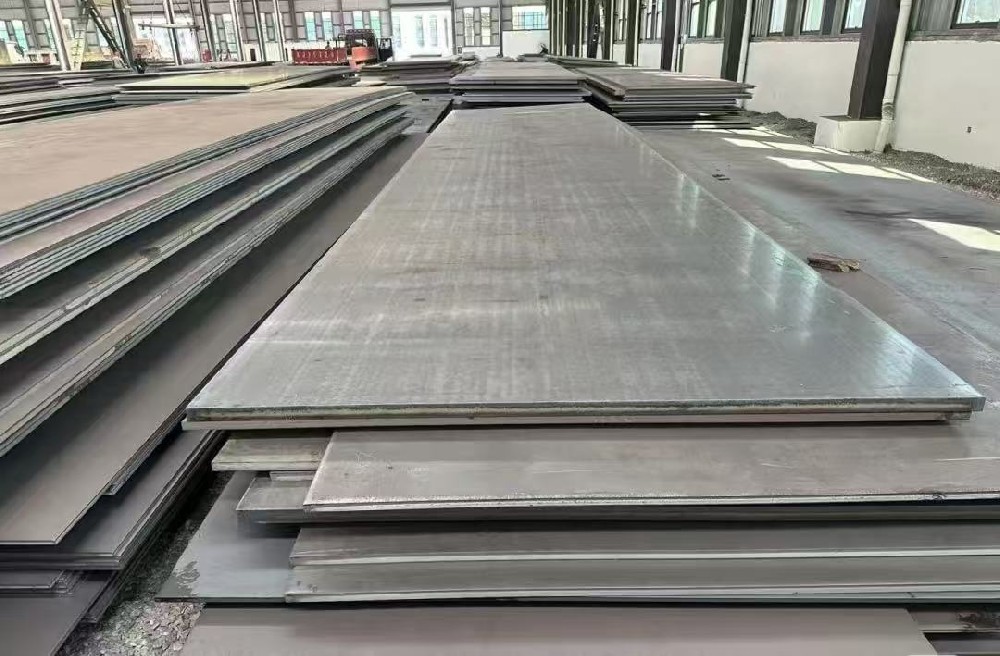
Carbon steel, also known as non-alloy steel in Europe, is one of the most widely used metal materials globally, playing an irreplaceable role in modern industry, construction, and daily life. Composed primarily of iron and carbon (with a carbon content ranging from 0.05% to 2.1% by weight), it is defined by its simplicity in composition, excellent mechanical properties, and cost-effectiveness, making it the "backbone" of various industrial sectors...

Classification by Carbon Content

The properties of carbon steel are largely determined by its carbon content, which classifies it into three main categories. Low-carbon steel (mild steel), with a carbon content of 0.05% to 0.25%, is highly ductile, easy to weld and machine, and features moderate strength. It is widely used in automotive panels, structural beams, wire products, and ordinary pipelines, serving as the foundation for many basic infrastructure projects.

Medium-carbon steel, with a carbon content of 0.25% to 0.60%, balances strength and ductility and can be heat-treated to enhance hardness, making it suitable for gears, axles, machinery parts, and other components that require both toughness and load-bearing capacity. High-carbon steel, with a carbon content of 0.60% to 2.1%, is extremely hard and wear-resistant but less ductile, ideal for cutting tools, springs, high-strength wires, and milling machines that demand high hardness and durability.

Core Advantages

One of the core advantages of carbon steel is its cost-effectiveness. Compared with stainless steel and other alloy steels, carbon steel has lower raw material and production costs, while still meeting the strength and performance requirements of most industrial and construction scenarios. Additionally, it boasts excellent machinability and weldability, allowing for flexible processing into various shapes and sizes, such as sheets, coils, bars, and pipes, to adapt to diverse application needs.

As an environmentally friendly material, carbon steel is 100% recyclable, requiring less energy in production compared to metals like aluminum and copper, which aligns with the global trend of sustainable manufacturing.

Applications Across Industries

Carbon steel's applications span almost every industry. In the construction sector, it is used for beams, rebars, and pipelines, supporting the stability of buildings and infrastructure. In the automotive industry, it serves as the core material for chassis, brackets, and engine components. In the manufacturing sector, it is widely used in tools, fasteners, and industrial equipment. Even in the energy industry, carbon steel is essential for oil and gas pipelines and wind turbine towers.

To enhance its corrosion resistance, carbon steel can undergo surface treatments such as galvanizing, painting, or black oxide coating, expanding its application scope to more harsh environments. With the continuous development of global industry and infrastructure construction, the demand for carbon steel remains stable. Its unique combination of strength, affordability, and versatility ensures its position as the backbone of modern industry.

Read More β†’
Brand 1
Brand 2
Brand 3
Brand 4
Brand 5
Brand 6
πŸ’¬